
Bread Baking for Beginners:
Yes, You Can Actually Do This
It’s not really about bread. It’s about becoming.
Dough not worry – bake happy!
When I first started baking bread here in the US, I told my friends about it. Their reactions were almost identical, every single time.
“No way. I could never do that.”
“I tried once. It didn’t work.”
“Well, I wish I had the time for that.”
A few were more specific. One friend told me she’d killed her yeast twice and given up for good. Another said her loaf came out looking right and tasting bland. And more than one mentioned, almost in passing, that they just bought bread – the typical soft, plastic-wrapped kind – because, well, what else were you supposed to do.
I heard some version of that conversation enough times that it started to feel less like bad luck and more like a pattern. People wanted real bread. They just didn’t believe they were the kind of person who could make it. That gap – between wanting it and believing you could do it – is the entire reason Breadista exists.
So if you’ve ever had a version of that exact conversation yourself, even just in your own head: this one’s for you. – Can beginners bake artisan bread at home?
Why Bread Baking Feels Harder Than It Is
Bread has a reputation problem. Somewhere along the way, it became a thing you either “have a knack for” or don’t – more mystery than method. And once you believe that, every part of the process starts to feel like a test you might fail. Add the word ‘sourdough’ to the game and people fall immediately over the edge.
Why does kneading feel so intimidating?
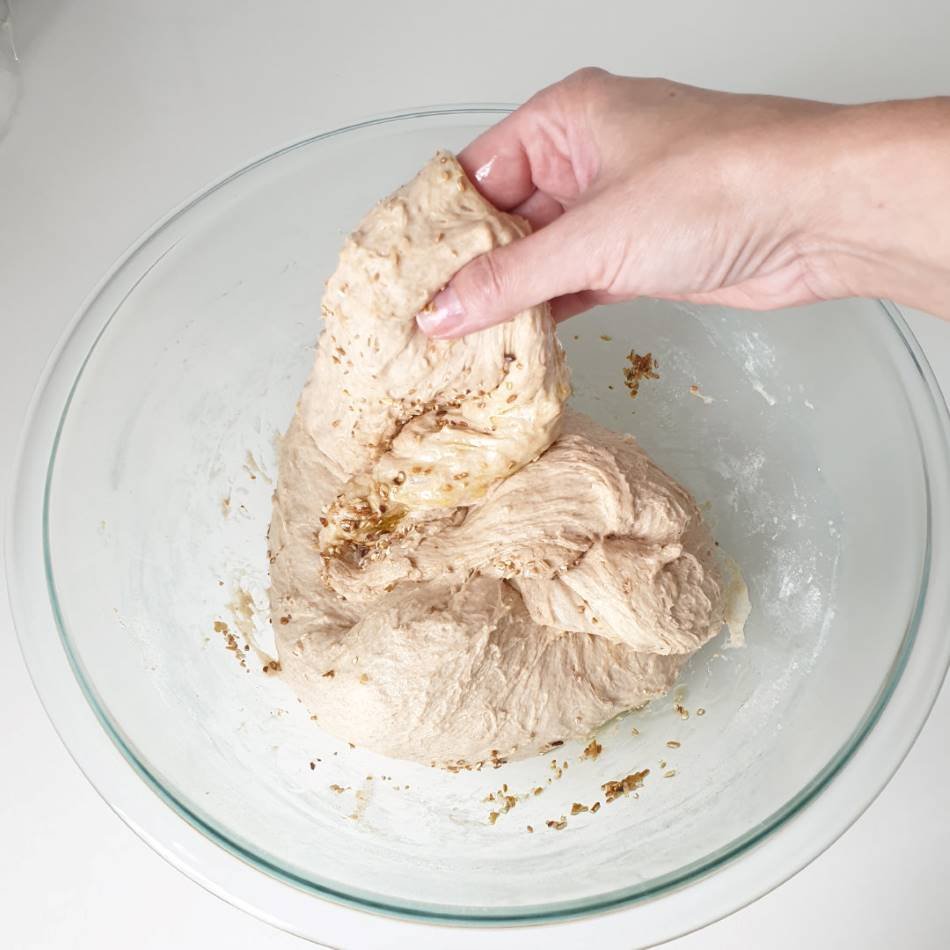
Because nobody tells you what you’re actually checking for. Beginners knead by the clock instead of by feel, second-guessing the whole time, which makes a fairly forgiving step feel high-stakes.
Why didn’t my dough rise?
This is probably the single biggest beginner derailment. Yeast is alive, and it’s sensitive to temperature, timing, and freshness – but most people aren’t told that clearly, so a slow rise reads as personal failure instead of a fixable variable.
Why does my loaf look fine but taste off?
Usually it’s measurement. Bread is one of the few kinds of cooking where “eyeballing it” punishes you, and most beginners aren’t using a scale or following ratios closely enough to know where it went wrong. Skip the cups and spoons and invest in a small digital scale. Flour and salt ratio is THE crucial basic that needs to be right.
And here’s the part that actually does the damage: one bad loaf rarely just stays one bad loaf. It becomes evidence. “See, I told you I can’t do this.” The oven gets blamed, or the recipe, or – most often – the person blames themselves, and the whole thing gets quietly shelved. Not because bread is actually that hard, but because nobody warned them which parts deserved their worry and which parts didn’t.
The Moment It Actually Works
Here’s what almost nobody tells you about that gap between fear and trying: the first time it works, it works fast.
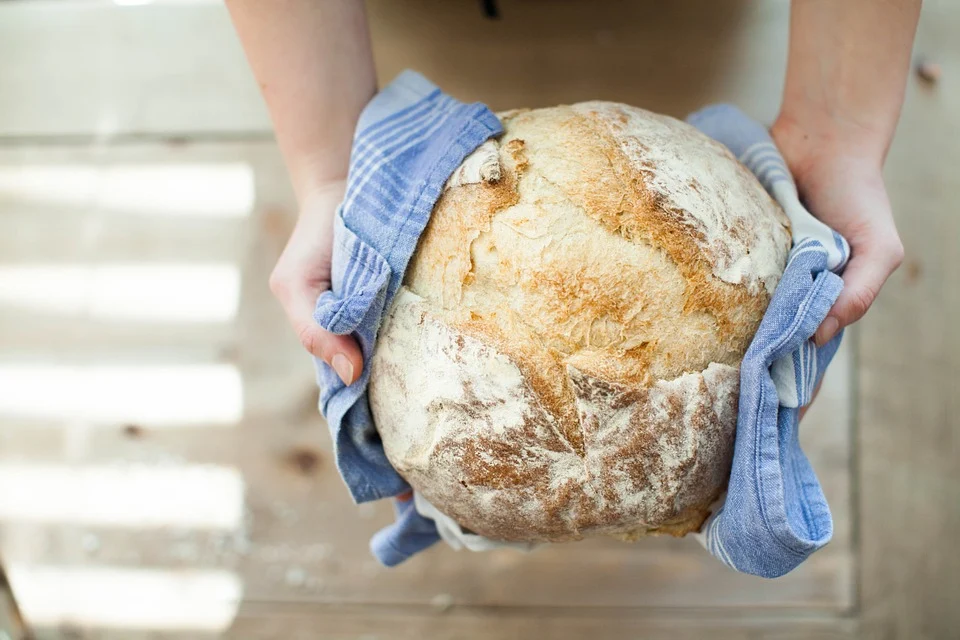
You pull a loaf out of the oven – crust abit darker than you expected, that smell already filling the kitchen – and there’s a specific kind of disbelief that hits you. Not relief, exactly. More like: wait, I did that?
Then you cut into it. And it’s not just edible – it’s good, really good. A crumb where there should be crumb, a little chew at the crust, the kind of bread you’d actually want to eat rather than just be proud of finishing.
That’s the moment that changes things, and it tends to happen faster than people expect. The first text usually goes out within the hour – a photo, sent to exactly the friend who said “no way.” There’s a particular satisfaction in setting a fresh baked loaf down in front of someone who didn’t think you could do this, and watching them tear off a piece before you’ve even offered.
It’s not really about the bread at that point. It’s about becoming, in your own kitchen, someone who bakes. That identity shift – quiet, private, completely real – is the actual reward. Everything else is just flour and time.
What a Mix Actually Takes Off Your Plate
So if it’s not really about skill – if the gap is more about believing than ability – what changes when you bake with a mix?
Not the part you might think. You’re still the one mixing, shaping, waiting, watching the dough change in your hands. You still pull it out of the oven yourself, still get the satifying moments exactly as described. None of that gets handed to you. None of it gets skipped.
What a good mix actually removes is the hesitation – measuring the cups right, second-guessing the yeast, wondering if you’re a step behind before you’ve even started. That hesitation is the real thing standing between a beginner and a good loaf, far more than any lack of skill. A high-quality mix takes that uncertainty off your hands so you can stop second-guessing and start paying attention to the part that actually matters: your dough, in front of you, telling you what it needs.
That’s worth saying plainly, because it’s easy to hear “mix” and think you’re cheating somehow – taking a shortcut past a step you were supposed to struggle through. You’re not. A mix made with real, honest ingredients isn’t standing in for your effort; it’s standing behind it, so the only thing left to second-guess is gone. The quality of what’s in the bag is what makes that trade-off feel right instead of like a shortcut – cheap fillers would actually be cheating you out of the result. A good mix just clears the way so your hands can do what they’re already capable of.
Where to Start
If you’re ready to find out for yourself, start somewhere low-stakes – something familiar enough that it doesn’t feel like a test.
Rustic pizza crust made from a bread mix is the one that tends to surprise people most. It’s proof that one mix isn’t just “the bread thing” – it’s a base you can take in directions you didn’t expect, with a result that holds up next to any pizza night.
Monkey bread is a good first move precisely because it doesn’t look like “bread baking” in the intimidating sense. It’s pull-apart, forgiving of imperfect shaping – and it gives you the full experience of working dough without any pressure to make it look like a bakery loaf.
English muffins with flax seed and whole wheat are a quieter win: a breakfast staple, made from scratch, in a shape and size that feels manageable from the first attempt.
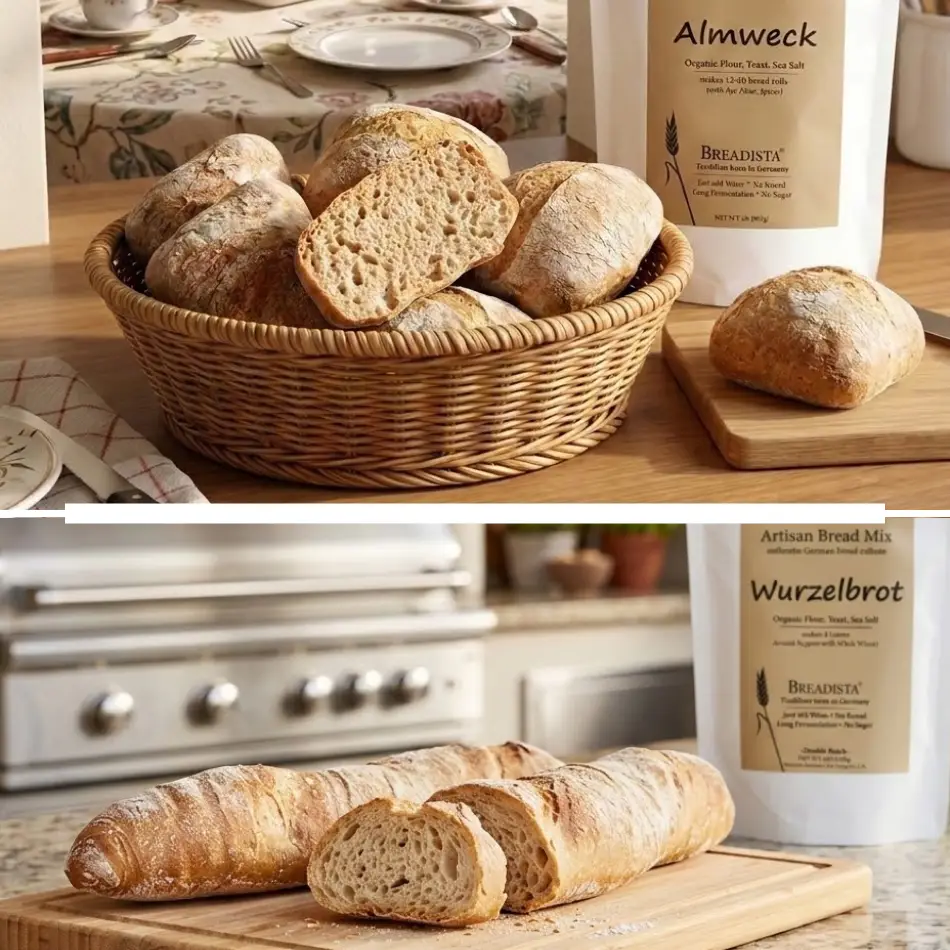
None of these ask you to be a baker before you start. They just ask you to try once – and from there, our full range of artisan bread mixes is there whenever you’re ready to go further, including the loaves that started all of this in the first place.
One Last Thing
If you’ve read to this point, I’d guess some part of you already wants to try. So I’ll ask you the same thing I wish someone had asked me earlier: what has actually held you back from making your own bread so far? Let me know and tell me.
– Tanja, Founder of BREADISTA and breadlover since birth
Quick Answers
No. While traditional bread baking requires patience, it does not have to be complicated. Many artisan breads rely on simple ingredients, time, and a few basic techniques rather than advanced skills. A good first bread recipe should help you understand the process without overwhelming you
You do not need a professional kitchen to bake great bread. Most beginners can start with a mixing bowl, measuring tools, a baking sheet or Dutch oven, and a kitchen towel. The most important ingredients are quality flour, water, salt, yeast or sourdough starter, and time.
For beginners, breads with simple preparation and forgiving dough are a great starting point. No-knead breads are especially approachable because they use time instead of complicated techniques to develop flavor and structure.
BREADISTA’s artisan bread mixes were created around this idea: bringing traditional European-style bread baking into everyday kitchens.
